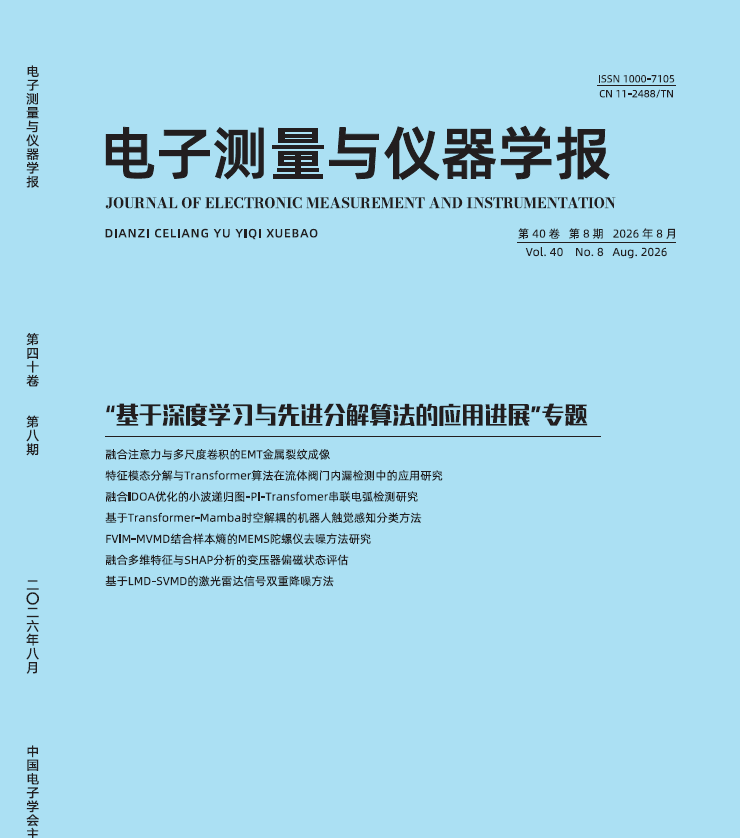
• Volume 40,Issue 8,2026 Table of Contents
    Select All
    Display Type: |
    • >Expert Forum
    • Piezoelectric ultrasonic guided wave techniques for pipeline corrosion monitoring: A review

      2026, 40(8):1-15.

      Abstract (35) HTML (0) PDF 9.09 M (38) Comment (0) Favorites

      Abstract:The pipeline transportation system serves as the “energy artery” of national economic development, and its structural integrity is directly related to the safety of the energy, chemical, and infrastructure sectors. However, influenced by harsh environments and corrosive media, pipelines are highly susceptible to corrosion damages. During longterm service, corrosion damage poses a significant challenge, as it is difficult to monitor effectively, thereby becoming a bottleneck in pipeline network. The piezoelectric ultrasonic guided wave (UGW) corrosion monitoring technology has been applied to achieve full-coverage, in-situ, and online monitoring of corrosion damage and structural health conditions in pipelines under service. This promotes the transition of pipeline maintenance strategies from periodic inspection to online monitoring and condition-based maintenance, through which the operational safety of pipelines is ensured and maintenance costs are reduced. In this review, first, the theory of UGW in pipelines is introduced. Then, the development status of system design and key technologies include damage characterization, identification and environmental adaptation is summarized and analyzed, the applications in oil and gas, chemical, and municipal fields are reviewed. Finally, the challenges and development trends of piezoelectric UGW techniques for pipeline corrosion monitoring are summarized.

    • Attention and multi-scale convolution U_Net for EMT metal crack imaging

      2026, 40(8):16-25.

      Abstract (28) HTML (0) PDF 9.27 M (37) Comment (0) Favorites

      Abstract:To address the ill-posed inverse problem, reconstruction artifacts, and blurred boundaries in electromagnetic tomography (EMT) imaging of fine cracks on planar metal components, an image reconstruction network named SE_ASPP_UNet is proposed. The network integrates squeeze-and-excitation (SE) and atrous spatial pyramid pooling (ASPP) modules into the U-shaped network (U_Net) framework. The SE module enhances crack-related channel responses, while the ASPP module extracts multi-scale contextual features in the bottleneck layer, improving the representation of cracks with different lengths and orientations. A combined binary cross-entropy and Tversky loss is adopted to improve the reconstruction of slender crack structures. Based on a regular strip-like crack simulation dataset jointly constructed using COMSOL and MATLAB, comparative experiments with various reconstruction methods, loss-function ablation experiments, and network-module ablation experiments were conducted. SE_ASPP_UNet achieved an average Dice coefficient of 0.836 0 and an average connected component error (CC_Err) of 0.055 2 on the simulation test set, showing favorable region overlap and topological connectivity. After fine-tuning with a small number of measured samples, measured validation on 6061 aluminum alloy plates showed that the method could recover crack boundaries and spatial locations. Out-of-distribution experiments further indicated that the model retained a certain ability to recover the macroscopic propagation trend of irregular strip-like cracks unseen during training. These results suggest that SE_ASPP_UNet can support EMT image reconstruction of fine cracks in planar metals.

    • Research on the application of feature mode decomposition and Transformer with internal leak detection of fluid valve

      2026, 40(8):26-35.

      Abstract (25) HTML (0) PDF 7.40 M (32) Comment (0) Favorites

      Abstract:In the oil and gas industry, the acoustic detection of internal leaks in pressurized valves is constrained by environmental noise interference, making it difficult for detection algorithms to discern the temporal characteristics of internal leaks, leading to false alarms for valve internal leaks. To address the drawback of identifying key temporal characteristics of internal leak acoustic signals, we propose the feature mode decomposition (FMD)-Transformer-ResNet internal leak detection method. This method utilizes FMD, fully considering the periodicity and impact characteristics of internal leak acoustic signals, to purify and reconstruct the internal leak acoustic source, overcoming the shortcomings of traditional signal decomposition techniques in dealing with internal leak acoustic signals, such as mode mixing. Subsequently, a Gaussian mixture model (GMM) is used to assign sensitivity weights to the internal leak acoustic source signals. These weights enhance the ability of the Transformer to recognize key temporal characteristics of internal leak acoustic signals. Combined with a residual neural network classifier (ResNet), it achieves high-precision classification and identification of internal leak conditions. Experimental results show that the proposed FMD-Transformer-ResNet valve internal leak detection method achieves an optimal recognition accuracy of up to 97% for internal leaks, surpassing the recognition accuracy of similar methods such as CNN-GRU-Attention and CNN-LSTM-Attention. The proposed method forms a new perspective for valve internal leak condition recognition research, focusing on “signal purification, feature weighting, and accurate prediction,” and holds promising engineering application prospects.

    • Arc fault detection based on series structure integrating IDOA-optimized wavelet recurrence graph and PI-Transformer

      2026, 40(8):36-47.

      Abstract (20) HTML (0) PDF 14.62 M (24) Comment (0) Favorites

      Abstract:To address the challenges of strong nonstationarity, severe noise interference, and insufficient detection accuracy of arc fault signals under complex operating conditions, this paper proposes a series arc fault detection method that integrates optimized feature enhancement with physics-informed deep modeling. First, an improved dream optimization algorithm (IDOA) is introduced to adaptively optimize the parameters in wavelet energy spectrum reconstruction, enabling the enhancement of arc-sensitive frequency bands and improving signal representation capability. Subsequently, recurrence plot (RP) is employed to perform time-frequency mapping on the reconstructed signals, transforming one-dimensional nonstationary signals into two-dimensional structural features to characterize their nonlinear dynamic evolution. In the feature modeling stage, a time-frequency collaborative receptive field attention (TF-CRFA) mechanism is constructed to jointly model transient characteristics in the time domain and energy distribution in the frequency domain, thereby achieving adaptive enhancement of critical arc features. Furthermore, a physics-informed Transformer (PI-Transformer) is designed by incorporating physical priors, such as high-frequency energy mutation and nonstationarity of arc signals, into the model architecture and loss function, enabling unified global temporal dependency modeling and physical consistency constraints. Experimental results demonstrate that the proposed method outperforms comparative models in terms of detection accuracy, noise robustness, and adaptability to complex conditions and potential for engineering applications in arc fault detection.

    • Robotic tactile perception classification method via spatial-temporal decoupling based on Transformer-Mamba

      2026, 40(8):48-57.

      Abstract (44) HTML (0) PDF 4.58 M (31) Comment (0) Favorites

      Abstract:Robotic tactile perception has become a core capability for realizing robotic embodied intelligence, yet faces challenges such as poor dynamic adaptation, overlapping perceptual states, and stringent real-time requirements. To address this, this paper employs a spatial-temporal decoupling-based deep learning framework, and proposes a Transformer-Mamba-based classification method for robotic tactile perception. Firstly, a multi-scale feature enhancement module based on an efficient channel attention mechanism is designed to strengthen the spatial-temporal multi-scale features of tactile perception data. Secondly, a feature extraction module based on Transformer-Mamba is constructed to extract spatial and temporal features from tactile perception data. Herein, Transformer serves as the core for extracting spatial features, while Mamba serves as the core for extracting temporal features, thereby reducing the algorithmic inference time. Furthermore, we design a feature classifier based on gated fusion, which reduces feature loss and improves the algorithm’s stability by fusing cross-stage features. Finally, we conduct experiments to validate the proposed algorithm using three public datasets: Tactile-event-corl, Multimodality slip detection, and Dataset for SCT-CNN. The results demonstrate that the proposed algorithm achieves an accuracy of 98.72%, precision of 98.87%, recall of 98.85%, and F1 score of 98.85%, representing improvements of 1.67%, 1.41%, 1.70% and 1.65% respectively over existing algorithms, while reducing the average inference time by 90%.

    • Research on MEMS gyroscope denoising method combining FVIM-MVMD with sample entropy

      2026, 40(8):58-68.

      Abstract (17) HTML (0) PDF 14.49 M (24) Comment (0) Favorites

      Abstract:Aiming at the problems of low accuracy and random noise in angular velocity signals of conventional Micro-Electro-Mechanicals gyroscopes, a signal processing method based on multivariate variational mode decomposition (MVMD) optimized by four-vector intelligent metaheuristic (FVIM) is proposed in this paper. Firstly, the collected angular velocity signals are processed by MVMD, and divided into two components of frequency and energy. Secondly, the FVIM is utilized to optimize the two key parameters of modal decomposition, namely the number of modes k and the penalty factor α, so as to obtain the optimal combination of parameters. Then, the signals are decomposed into multiple intrinsic mode function (IMF) components, and sample entropy (SPN) combined with cosine similarity is taken as the joint decision criterion to classify the IMF components into noise components, aliasing components and effective components. Furthermore, the wavelet transform (WT) algorithm is adopted to process the aliasing components, and the processed components are reconstructed with the screened effective components to obtain the denoised angular velocity signals. Finally, experimental verification is conducted by applying the proposed method to both simulation signals and actual measured signals. The results show that the root mean square error is reduced by 57.1% during simulation signal processing, and the random walk values of the measured Y-axis and Z-axis angular velocity signals are decreased by 76.9% and 56.2% respectively.

    • Evaluation of transformer DC bias using multidimensional features and SHAP analysis

      2026, 40(8):69-80.

      Abstract (21) HTML (0) PDF 9.52 M (22) Comment (0) Favorites

      Abstract:To address the issues of insufficient generalization ability in traditional single-index diagnosis methods under complex operating conditions, and the opacity of the decision-making process in conventional machine learning models (the “black box” problem) for transformer DC bias condition assessment, this paper proposes an accurate assessment model based on multi-dimensional feature fusion and Shapley additive explanations (SHAP) interpretability analysis. First, based on the analysis of the vibration response mechanism of transformers under different degrees of DC bias, a 14-dimensional feature system fusing time-domain statistics, frequency-domain harmonic components, and specific physical mechanism features (such as weighted odd-even harmonic energy ratio and spectral entropy) is extracted and constructed. Next, a recursive feature elimination (RFE) strategy based on SHAP importance is utilized to adaptively screen the feature set, effectively eliminating redundant features. On this basis, the extreme gradient boosting (XGBoost) algorithm is adopted to build the assessment model, and Bayesian optimization is employed to adaptively tune the model hyperparameters, achieving precise identification of DC bias severity levels. Experimental verification based on multiple measurement points indicates that the optimized model can adaptively select the optimal feature subset for different sensor locations, achieving an assessment accuracy of over 96.2% across all tested points. Finally, the SHAP framework is introduced to quantitatively analyze the model’s decision-making mechanism from both global and local perspectives. The interpretability results demonstrate a high consistency between the model’s decision basis and the physical laws of vibration transmission and DC bias. This method demonstrates excellent interpretability while ensuring high diagnostic accuracy, providing a transparent and reliable solution for the engineering application of data-driven models in the field of transformer condition assessment.

    • Dual noise filtering method for lidar signal based on LMD-SVMD

      2026, 40(8):81-91.

      Abstract (19) HTML (0) PDF 8.81 M (24) Comment (0) Favorites

      Abstract:Lidar, widely used in practical applications, is often affected by background light noise and system shot noise, leading to a decline in signal quality and difficulty in extracting valid information. To address this issue, this paper proposes a dual noise filtering method combining local mean decomposition (LMD) and successive variational mode decomposition (SVMD), which is applied to the field of lidar cloud layer detection. The method employs LMD to decompose the original signal and uses sample entropy to categorize the signal into low-frequency and mixed signals. Subsequently, SVMD is applied to the mixed signals, and mutual information is utilized to further segregate the signals into high-frequency and low-frequency effective signals. Finally, the low-frequency and low-frequency effective signals are reconstructed into a denoised signal. The denoising performance of the proposed method is verified using both simulated and measured data. The experimental results show that for the Bumps signal with an input SNR of -6 dB, the output SNR of the proposed method reaches 8.49 dB, and the root mean square error (RMSE) is as low as 0.67. For the lidar simulated echo signal with an input SNR of 9 dB, the output SNR is 19.344 8 dB and the RMSE is 5.181 7×10-12, which exhibits significant advantages over the methods such as WT, LMD, EMD-WT, SVMD, and EEMD-GWO-SVD. Moreover, in the application of lidar cloud parameter detection, the denoised signal from this method is closest to the original signal in terms of cloud base and top heights, effectively preserving signal details and features, which is beneficial for enhancing the inversion accuracy of lidar data.

    • Inertial pedestrian navigation algorithm with Transformer-assisted ESKF velocity correction

      2026, 40(8):92-99.

      Abstract (22) HTML (0) PDF 6.48 M (25) Comment (0) Favorites

      Abstract:To solve the problems of noise interference and error accumulation drift in low-cost MEMS IMU in pedestrian positioning applications, a tightly coupled inertial navigation method integrating Transformer and error-state Kalman filter (ESKF) is proposed. The central innovation of this approach is the synergistic integration of deep learning perception and classical physical constraints, alongside a novel adaptive observation noise adjustment mechanism driven by confidence weighting. Firstly, the multihead self-attention mechanism of Transformer is utilized to replace traditional recurrent neural networks to more effectively capture long-range temporal dependencies from raw IMU data, thereby achieving high-precision two-dimensional velocity regression. Secondly, a tightly coupled strategy is designed to map the Transformer network’s predicted velocity and its confidence into ESKF observation updates. Furthermore, a velocity error feedback mechanism is constructed using dual zero-velocity update (ZUPT) methods to correct heading drift and gyroscope bias. Experimental results based on the publicly available RoNIN dataset demonstrate that this method can effectively correct speed estimations, thereby enhancing overall trajectory accuracy. Compared with traditional RNN/LSTM algorithms, the proposed method exhibits superior robustness and the calculated trajectory matches the actual trajectory better. The 95th percentile of the absolute trajectory error and relative trajectory error were optimally reduced to 2.99 meters and 3.25 meters, respectively. Compared with the other two methods, the maximum positioning error has been reduced by the least 3.31 meters, representing a decrease of approximately 50.38%. The proposed method effectively improves the positioning accuracy of inertial pedestrian navigation, providing a certain reference for the autonomous positioning of consumer mobile devices in complex indoor environments.

    • Research on flexible temperature-pressure dual-mode sensors based on serrated resistive thin films

      2026, 40(8):100-110.

      Abstract (19) HTML (0) PDF 8.80 M (26) Comment (0) Favorites

      Abstract:To address the issues of insufficient robustness and poor pressure stability in flexible multimodal sensors, this paper proposes a flexible temperature-pressure dual-mode sensor (FTPDMS) based on a sawtooth-shaped resistive film. Mathematical models for the sensor’s temperature-pressure response were established using COMSOL Multiphysics and NI Multisim, and the structural parameters were optimised. Using PI as the sputtering mask, the FTPDMS was fabricated via a process involving metal magnetron sputtering, peeling, and Polydimethylsiloxane(PDMS)elastomer casting. Experimental results indicate that the sensor’s sensitivity within the pressure ranges of 7 Pa to 1 kPa, 1 to 60, and 60 kPa to 100 kPa is -4.59, -0.1 and -0.23 mV/kPa respectively, with nonlinearity of 10.13%, 7.75% and 11.68% respectively. The pressure response time is approximately 303 ms, the lower pressure limit is 7 Pa, the hysteresis is 3.6%, and the repeatability is ≥2 000 cycles; the signal remains stable during constant-pressure testing. Within the temperature range of 27 ℃~67 ℃, the sensitivity is 0.41 mV/℃, the non-linearity is 6.25%, and the temperature response time is approximately 1.5 s. This sensor offers advantages such as a wide measurement range (100 kPa), high sensitivity (-4.59 mV/kPa), fast response (303 ms), high robustness and pressure stability (≥2 000 cycles), and low hysteresis (3.6%). Furthermore, its fabrication process is simple, cost-effective and environmentally friendly, making it suitable for applications in medical health monitoring, electronic skin and smart wearable devices.
    • Dynamic modeling and impact characteristics of local faults in rolling bearings

      2026, 40(8):111-121.

      Abstract (13) HTML (0) PDF 9.56 M (19) Comment (0) Favorites

      Abstract:In existing rolling bearing dynamics modeling, the evolution of the impact force when the rolling element passes through the outer ring defect is not fully considered, resulting in systematic deviations in the analysis of the overall dynamic response characteristics of the bearing, making it difficult to accurately characterize its true performance status under actual operating conditions. To address this, a dynamic modeling method for local faults in rolling bearings that characterizes impact response is proposed. First, the motion process of the rolling element traversing an outer ring defect is analyzed, and a corresponding time-varying displacement excitation model is constructed accordingly. Second, based on the momentum theorem, the impact force function related to the defect length, depth, and rotational speed when the rolling element impacts the rear edge of the outer ring defect is derived. Integrating Hertzian contact theory, a dynamic model for local faults in rolling bearings that reflects impact response characteristics is constructed. Finally, taking the N6205 deep groove ball bearing as an example, the established model was verified through simulation and experiment, and the effects of different defect lengths, depths, and rotational speeds on the bearing’s dynamic characteristics were analyzed. The results show that, under operating conditions of 500 and 1 000 r/min, the errors between the simulated signal’s double-impact time interval and first harmonic characteristic and the theoretical values are both less than 0.6%, and the maximum error with the measured data does not exceed 3.23%. Simultaneously, the local impact generated during the contact between the rolling element and the outer ring defect has a significant impact on the bearing’s vibration response. This study can provide a reference for rolling bearing fault diagnosis and life assessment.

    • Thermal error prediction for linear axis of CNC gear grinding machine based on GJO-LSTM

      2026, 40(8):122-132.

      Abstract (13) HTML (0) PDF 9.38 M (24) Comment (0) Favorites

      Abstract:To mitigate thermal error effects on the linear axis positioning accuracy of gear grinding machines and enhance gear tooth surface quality and consistency, a thermal error prediction method based on the golden jackal optimization (GJO) algorithm and long short-term memory (LSTM) neural network is proposed. Using the H650GA grinding machine’s linear axis as the research object, PT100 temperature sensors and an XL-80 laser interferometer were employed to collect temperature and thermal error data under various working conditions. The fuzzy exponent, iteration count, and termination conditions of the Fuzzy C-Means clustering algorithm were optimized using the genetic algorithm, and key temperature-sensitive points were selected through Grey Relational Analysis. The GJO algorithm was employed to optimize the number of hidden layer nodes, initial learning rate, and L2 regularization coefficient of the LSTM network. A GJO-LSTM thermal error prediction model was constructed using training set data. Finally, the predictive performance of the GJO-LSTM model was validated with test set data. Experimental results demonstrated that compared to GA-LSTM, LSTM, and BP models, the GJO-LSTM model reduces RMSE by 30.3%, 42.8%, and 54.8%, and MAE by 36.2%, 41.1%, and 45.4%, respectively, confirming its superior prediction accuracy and robustness.

    • Optical remote sensing dense ship target detection based on global scene understanding and local texture perception

      2026, 40(8):133-145.

      Abstract (15) HTML (0) PDF 17.17 M (20) Comment (0) Favorites

      Abstract:To address the challenges of small target omission and dense occlusion interference in ship detection from high-resolution optical remote sensing images, this paper proposes a dense ship target detection algorithm based on global scene understanding and local detail perception. First, to enhance the backbone network’s capability in extracting features of small targets, a fine-grained perception module (FGPM) is designed. Its multi-scale parallel feature extraction strategy and dual-attention enhancement mechanism effectively alleviate the inherent information loss of small targets while improving the signal-to-noise ratio between the foreground and the complex background; Second, a multi-scale global and local (MGLF) joint Feature fusion module is designed to synergistically optimize global scene understanding and local detail perception, enhancing the model’s robustness and adaptive capability in complex regions; Finally, ADown downsampling is introduced to replace traditional convolutions, preventing excessive loss of contextual information during the feature map size reduction process. Experimental results on the DIOR and NWPU datasets demonstrate that the proposed algorithm achieves improvements of 1% to 5% in precision, recall, and mean average precision compared to the baseline method, effectively validating its ability to ensure detection accuracy while reducing false detections and missed detections in optical remote sensing-based dense ship detection.

    • Multi scale “spectral-spatial” guided hyperspectral unmixing method based on mechanism embedding

      2026, 40(8):146-157.

      Abstract (17) HTML (0) PDF 25.99 M (27) Comment (0) Favorites

      Abstract:Addressing the challenges of insufficient modeling of complex nonlinear mixing effects by traditional physical models in hyperspectral unmixing (HU) and the weak generalization capability of purely data-driven methods due to the lack of physical priors, this study proposes an unmixing method (M2S2) that integrates mechanistic constraints with multi-scale spectral-spatial joint learning. The aim is to resolve the failure of hyperspectral sub-pixel analysis caused by nonlinear mixing effects in complex scenarios. Accordingly, this paper first constructs physical constraint conditions for the endmember abundances, including non-negativity, sum-to-one, and sparsity. Subsequently, distinct core modules are designed to hierarchically extract features from both spectral and spatial data, leveraging multi-scale pooling structures and multi-channel attention mechanisms to highlight the saliency of hyperspectral mixed information and enhance the model’s unmixing performance. Comparative experiments on multiple datasets demonstrate that the proposed M2S2 method improves hyperspectral unmixing performance by approximately 6.8% compared to other methods. The findings validate the effectiveness of combining physical mechanistic priors with deep learning models and conducting feature enhancement through multi-scale spectral-spatial joint learning, offering a novel approach for addressing the challenges of nonlinear hyperspectral unmixing.

    • Research on train electromagnetic compatibility risk assessment model based on combined weighting and neural network

      2026, 40(8):158-170.

      Abstract (14) HTML (0) PDF 13.90 M (16) Comment (0) Favorites

      Abstract:A train electromagnetic compatibility risk assessment model based on combined weighting and deep neural networks is proposed to address the complex electromagnetic environment of high-speed railway signaling equipment and the limited capability of conventional pass/fail electromagnetic compatibility (EMC) tests in supporting fault precursor identification. First, a Cube risk evaluation system with threat, vulnerability, and consequence dimensions is established. A three-layer progressive assessment architecture is constructed. Second, subjective and objective weights are fused using analytic hierarchy process (AHP), entropy weight method, and game theory. A static assessment model is built by combining technique for order preference by similarity to ideal solution (TOPSIS) and cloud model for risk ranking and uncertainty characterization. Third, a multilayer perceptron network is designed to output comprehensive risk physical quantities and cloud model features under four operation scenarios, enabling dynamic risk prediction under unknown conditions. Finally, surge immunity tests on axle counter equipment validate the model. The model’s discrimination of the optimal grounding scheme matches the measured results. The proposed model system has good reliability and engineering applicability, providing quantitative decision support for EMC risk management in rail transit.

    • Cross-domain fault diagnosis method for vibrating screens under class imbalance conditions

      2026, 40(8):171-183.

      Abstract (20) HTML (0) PDF 13.41 M (17) Comment (0) Favorites

      Abstract:The working environment of vibrating screens is complex and variable, and the distribution of vibration data is easily disturbed and changes, leading to a decline in the generalization ability of the model. Additionally, the occurrence frequencies of different fault types vary, resulting in differences in the number of samples between fault categories. To address above issues, a cross-domain fault diagnosis method for vibrating screens with class imbalance, combining cloud oversampling and domain adaptation geometric constructive network, is proposed. Firstly, by integrating feature extraction methods from signal processing and statistical analysis, a joint analysis of time domain, frequency domain, and time-frequency domain is conducted to extract key statistical features that comprehensively reflect the dynamic characteristics of vibration signals. Secondly, to balance the number of samples of each class in the dataset, the uncertainty transformation mechanism of the cloud model is introduced to enhance minority class samples in the cloud feature space. Finally, the maximum mean and covariance difference is introduced to reduce the global feature distribution difference, constructing a domain adaptation geometric constructive network fault diagnosis model, thereby enhancing the model’s generalization ability. Taking the actual industrial cross-domain data of vibrating screen as an example, the results show that, compared with cross-domain and class-imbalanced fault diagnosis methods such as convolutional neural networks (CNN), random vector functional link neural network (RVFLNN), and active broad transfer for class-imbalanced learning (ABTCI), the average fault diagnosis accuracy of this method is above 0.93. Furthermore, its classification accuracy in various diagnostic tasks is also higher than these methods, further demonstrating the effectiveness and superior generalization ability of this method.

    • Road segmentation algorithm of remote sensing image based on multi-scale attention refinement

      2026, 40(8):184-196.

      Abstract (23) HTML (0) PDF 30.33 M (31) Comment (0) Favorites

      Abstract:To enhance segmentation accuracy and robustness for complex road structures under severe occlusion and fragmentation in high-resolution remote sensing images, this study proposes MSAR-Net—an attention refinement network integrating multi-scale residual learning and efficient dual-kernel perception. The network adopts an encoder-decoder architecture, embedding a Multi-Scale Residual Learning module within the LinkNet50 backbone. This module partitions input features and processes them through heterogeneous-kernel cascading to achieve cross-scale semantic fusion, expanding receptive fields while preserving feature consistency. An efficient Dual-Kernel Attention Module is designed to jointly model spatial and channel dependencies via dual parallel convolutions with adaptive fusion mechanisms, strengthening long-range contextual modeling capabilities. During training, a combined Dice loss and BCE loss mitigates class imbalance and enhances recognition of thin road structures. Evaluated on three benchmark remote sensing road datasets (Massachusetts, DeepGlobe, and CHN6-CUG), MSAR-Net achieves F1 scores of 0.802 5, 0.782 3, and 0.781 7, with IoU values of 0.670 1, 0.642 4, and 0.641 6 respectively. Key metrics surpass state-of-the-art methods by average margins of 0.72% (F1) and 1.20% (IoU). Ablation studies and large-scale image tests confirm superior generalization capability and topological preservation in complex urban scenarios with dense occlusions. The framework effectively mitigates limitations of conventional methods regarding insufficient receptive fields and road fragmentation while maintaining computational efficiency, providing a precise, stable, and generalizable solution for high-resolution remote sensing road extraction.

    • Multi-scale analysis of tensile progressive damage failure of Open-hole carbon fiber composites

      2026, 40(8):197-206.

      Abstract (28) HTML (0) PDF 8.03 M (30) Comment (0) Favorites

      Abstract:Carbon fiber reinforced polymer (CFRP) is widely used in aerospace and other fields. However, assembly drilling is easy to cause stress concentration, resulting in local damage expansion and bearing capacity reduction. It is urgent to study the mechanism of local damage generation and expansion of carbon fiber composite plates and predict their failure. A multi-scale analysis method for tensile progressive damage of carbon fiber composites is proposed, and the whole process numerical simulation prediction of micro-macro mechanical properties and tensile damage of CFRP laminates are realized. Firstly, the representative volume element (RVE) is established, and the periodic boundary conditions are set to obtain the mechanical properties of the material. Then, the finite element model of CFRP laminates is established, and the progressive damage multi-scale prediction model is established by using the stress form Hashin damage criterion and the linear damage evolution based on fracture energy. The tensile simulation of laminates with holes was carried out. The established progressive damage model can accurately predict the load-displacement curve of laminates, and the error between the maximum load and the test result is only within 9.3%. Finally, the effects of different hole depths on the tensile ultimate load and damage behavior of perforated laminates were studied. The results show that the ultimate bearing capacity of laminates decreases significantly with the increase of hole depth. The damage starts from the matrix cracking of the 90°plies at the edge of the hole, and gradually expands to the 0 °plies in the hole area. As the load increases, the damage is further transmitted to the internally intact 0 °main bearing layer that has not been drilled, resulting in continuous degradation of the bearing capacity. The increase of the hole depth not only reduces the effective bearing area, but also changes the initial position and evolution path of fiber damage in the 0 °plies, weakens the inter-layer load redistribution ability and accelerates the structural failure.

    • Research on ultrasonic testing of stress fields in plate components

      2026, 40(8):207-215.

      Abstract (12) HTML (0) PDF 6.40 M (25) Comment (0) Favorites

      Abstract:Aiming at the challenge of efficiently and accurately evaluating the stress state of plate components in fields such as aerospace and energy equipment during processing and service, a high-precision ultrasonic stress detection and 3D visualization analysis system based on critically refracted longitudinal (Lcr) waves has been developed. This system is designed to provide a non-destructive, rapid, and quantitative technical means for assessing the stress state of components. Based on the acoustoelastic effect of Lcr waves, a quantitative relationship model between stress and the difference in ultrasonic wave propagation time was established. The system adopts a hardware-software co-design architecture: the hardware integrates a high-voltage spike pulse excitation circuit with a peak voltage of 300 V, an AD module with a maximum sampling frequency of 500 MS/s, and an ultrasonic probe and wedge combination that meets the first critical angle incidence condition. The software optimizes waveform data using wavelet hybrid threshold denoising technology, combines the cross-correlation method to calculate the acoustic time difference, and achieves accurate stress resolution while also providing 3D visualization of the stress field. In experimental validation on Q235 steel specimens, the system achieved a measurement error of less than ±10 MPa within a stress range of 0 MPa to 150 MPa, with a single-point measurement time under 0.5 seconds. It demonstrated significant advantages in measurement accuracy, efficiency, and ease of operation, enabling high-precision non-destructive testing of stresses in plate components and meeting the requirements for efficiency and reliability in engineering field stress detection.

    • Remote sensing object detection in severe weather conditions

      2026, 40(8):216-227.

      Abstract (46) HTML (0) PDF 17.90 M (22) Comment (0) Favorites

      Abstract:To address the challenges of difficult target detection and degraded detection performance in remote sensing images caused by adverse weather conditions such as rain, snow, and fog, this study proposes a remote sensing target detection model integrated with image enhancement, namely you only look once-image detail enhancement (YOLO-IDE), based on the YOLOv11 architecture. Firstly, inspired by the GFFA dehazing network, an image detail enhancement (IDE) module is designed to mitigate the impact of degraded features on the detection task. The enhancement module is integrated with the detection network into an end-to-end architecture to improve target detection performance. Meanwhile, the original C3k2 module in the YOLOv11 backbone is replaced with the CSP efficient dual layer aggregation networks (CSP-EDLAN) module. By adopting dual convolution techniques, the proposed module enhances feature representation while alleviating excessive computational consumption. Furthermore, the original Conv module is replaced with a receptive field dual attention convolution (RFDAConv) module, which expands the receptive field to suppress background noise and thereby improve target detection accuracy. The three components function in sequential coordination, first improving the quality of input images, then optimizing feature representation capability, and finally denoising deep-level features to refine outputs. Finally, experiments are conducted on both real-world and synthetic datasets under adverse weather conditions. The results show that, compared with the baseline YOLOv11 model, the proposed model achieves improvements of 2.4% and 2.3% in mAP@0.5, as well as 4% and 1.3% in mAP@0.5:0.95, respectively. These results verify the effectiveness and feasibility of the proposed method.

    • Research on structural optimization of Tonpilz underwater acoustic transducer and residual vibration attenuation impedance matching

      2026, 40(8):228-239.

      Abstract (19) HTML (0) PDF 14.17 M (23) Comment (0) Favorites

      Abstract:Enhancing the bandwidth and output power of Tonpilz underwater acoustic transducers is critical for improving sonar detection performance. Constrained by limited space in underwater platforms, conventional methods—such as adjusting transducer dimensions or adding acoustic matching layers—are impractical for boosting power output and broadening operational bandwidth. This study therefore proposes a novel radiating head structure design combined with wideband impedance matching. Parameter optimization of the structure was conducted via finite element analysis. Subsequently, an active power calculation model incorporating residual vibration damping resistors was established by extending the conventional Krimholtz-Leedom-Matthaei (KLM) equivalent circuit model with an impedance matching network. Finally, component parameters of the network were calculated using an adaptive Gauss-Newton algorithm, with the objective of minimizing the average impedance across the target frequency band. Experimental results demonstrate that, compared to traditional transducers, the proposed design achieves a 4~13 dB increase in transmitting voltage response (TVR) within the operational bandwidth, triples the active power output, broadens the bandwidth by 1.5 times, and reduces residual vibration interference in excitation signals by 90%. These improvements significantly enhance the acoustic radiation characteristics of Tonpilz transducers, providing a solid foundation for advancing the performance of domestically produced underwater acoustic detection equipment.

    • Multi-view temporal modeling for porosity prediction in laser cladding

      2026, 40(8):240-250.

      Abstract (29) HTML (0) PDF 6.75 M (17) Comment (0) Favorites

      Abstract:To address the critical limitation of single-point temporal monitoring data in characterizing porosity during laser cladding, this study proposes a porosity prediction framework based on multi-view temporal modeling. A ViT-based multi-view temporal fusion architecture is developed, which integrates “intra-view temporal modeling + inter-view information interaction” and incorporates residual attention connections to enhance gradient flow and feature diversity in deep networks. In single-view temporal modeling, an independent feature learning module (IFLM) is employed to extract image and thermal field features, while a temporal dependency encoding module (TDEM) captures long-range dependencies to form high-quality view-level temporal representations. For multi-view information interaction, a cross-view attention module (CVAM) is designed to guide feature exchange, and a multi-view fusion encoding module (MVFEM) is introduced to achieve unified encoding and global context modeling, thereby balancing interactive and integrative fusion. Results show that CVAM improves prediction accuracy to 97%, while MVFEM further increases it to 98%, the overall framework achieves accuracy in porosity prediction is 98%, significantly improved compared to existing methods.

    • Dynamic light scattering inversion based on information bias weighting and CNN-transformer model

      2026, 40(8):251-265.

      Abstract (18) HTML (0) PDF 13.65 M (25) Comment (0) Favorites

      Abstract:Neural network shows certain superiority in the field of dynamic light scattering inversion. However, the robustness and accuracy of the inversion results can be influenced by different training samples and network models. To solve this problem, an inversion method combining information bias weighting (IBW), convolutional neural network (CNN), and Transformer encoder (CNN-Transformer) is proposed. This method establishes a three-layer framework consisting of training sample generation, local feature extraction, and global dependency modeling. It uses the particle size distribution (PSD) obtained from IBW inversion as prior information to generate reliable training samples and utilizes the CNN-Transformer model to extract local features of the electric field autocorrelation function and perform global dependency modeling, thereby achieving an accurate PSD. The inversion results of simulated data with four different widths indicate that, compared with Tikhonov-PGRNN and IBW, the CNN-Transformer method achieves higher accuracy, stronger noise resistance, and better bimodal resolution for different particle systems. The experimental data inversion further validates the conclusions drawn from the simulated data. The peak position errors of 100, 203, 555 nm unimodal and 33 nm/203 nm, 300 nm/502 nm bimodal particle systems inverted by CNN-Transformer are 0, 1.48%, 0.90%, and 2.42%/0.06%, 1.27%/0.86% respectively, which are better than the inversion results of Tikhonov-PGRNN and IBW.

    • Super-resolution reconstruction method for chip surface images based on improved SRGAN

      2026, 40(8):266-274.

      Abstract (17) HTML (0) PDF 4.82 M (23) Comment (0) Favorites

      Abstract:To address issues such as artifacts and blurred details in super-resolution images of chip surface defects generated by traditional super-resolution generative adversarial network (SRGAN), this paper proposes a method for chip surface image super-resolution reconstruction based on an improved SRGAN. Firstly, the pyramid context extraction module (PCEM) is introduced into the generator network. This module effectively integrates multi-level information and details of the image through the pooling and concatenation of multi-scale feature maps, combined with a contextual attention mechanism. This significantly enhances the super-resolution reconstruction performance, resulting in clearer details in the generated images. Secondly, the rectangular self-calibration module (RSCM) is introduced into the generator network. By modeling context in horizontal and vertical directions, it adaptively calibrates key regions with rectangular geometric features, thereby effectively extracting the structural edges and directional textures of chip images and enhancing the model’s ability to represent chip structural information. Finally, the mobile network version 3 Small (MobileNetV3Small) is introduced into the adversarial network. This makes the super-resolution reconstruction model more lightweight, lowers hardware deployment requirements, and simultaneously strengthens feature extraction capabilities. Experimental results demonstrate that the improved algorithm increases the peak signal-to-noise ratio (PSNR) by 5.53 dB and improves the structural similarity index (SSIM) by 4.2%, effectively enhancing image quality. This provides a novel solution for the deployment of high-precision chip surface defect detection technology in industrial scenarios.

    • Improved artificial potential field method based on adaptive elliptic repulsive field

      2026, 40(8):275-288.

      Abstract (16) HTML (0) PDF 14.96 M (17) Comment (0) Favorites

      Abstract:To address the issues of uniform repulsive influence range in traditional artificial potential field methods that lead to path redundancy, low planning efficiency, and susceptibility to local optima in complex multi-obstacle environments, an improved artificial potential field path planning method based on adaptive elliptical repulsive field is proposed. First, an adaptive elliptical repulsive field theory is constructed, utilizing LiDAR to obtain real-time geometric features of obstacles and dynamically adjusting the elliptical repulsive influence range based on multi-dimensional factors. Second, a virtual target point generation method based on dual-circle strategy is designed, determining the optimal escape direction through geometric construction to effectively solve the local optimum problem. Finally, the algorithm performance is validated through simulation experiments and mobile robot physical platform verification. Simulation results show that in complex discrete obstacle environments, compared with existing improved methods, the proposed algorithm reduces runtime by 48.19%, path length by 4.67%, and path deviation by 5.65%, with significantly lower escape mechanism trigger frequency. Physical experiment validation demonstrates that compared with existing improved methods, the proposed algorithm achieves optimization of 20.15%, 14.95%, and 5.95% in runtime, path length, and path deviation respectively. Experimental results prove that the improved algorithm exhibits excellent performance in path planning efficiency, safety, and environmental adaptability, with good robustness and real-time performance, capable of meeting the path planning requirements of mobile robots in complex multi-obstacle environments.

    • Research on anomaly early warning of key components of wind turbines based on RIME-BiLSTM-SA-EWMA

      2026, 40(8):289-300.

      Abstract (17) HTML (0) PDF 10.39 M (18) Comment (0) Favorites

      Abstract:To address the issues of frequent random disturbances during the operation of wind turbine key components and the difficulty in identifying early-stage faults, this study proposes a wind turbine key component anomaly early-warning method based on a bidirectional long short-term memory (BiLSTM) network integrated with single-head attention (SA),whose hyperparameters are optimized by the RIME optimization algorithm (RIME).First, the supervisory control and data acquisition (SCADA) data of wind turbines are preprocessed, and a combined method of interquartile range and data binning is adopted to eliminate abnormal data. Second, the gray relational analysis method is applied, with the main bearing temperature and generator stator temperature set as the reference sequences respectively; relevant operational parameters with high correlation are selected as comparison sequences to construct the multi-dimensional input feature set of the model. Subsequently, the Single-Head Attention mechanism is introduced to capture long-term dependencies in the time series, and the RIME algorithm is used to optimize the hyperparameters of the BiLSTM model, thereby establishing a RIME-BiLSTM-SA multi-input single-output anomaly early-warning model. Furthermore, the exponentially weighted moving-average (EWMA) method is employed to analyze the residuals between the predicted values and actual values of the model, so as to determine the early-warning threshold. Finally, the proposed method is validated using measured SCADA data from a wind farm in East China. The results show that the RIME-BiLSTM-SA early-warning model proposed in this study can generate valid early-warning signals 12 hours prior to the occurrence of main bearing temperature anomalies and 32.5 hours prior to the occurrence of generator stator temperature anomalies.

    • Efficient traffic image detection algorithm based on improved YOLOv11n

      2026, 40(8):301-312.

      Abstract (80) HTML (0) PDF 16.68 M (27) Comment (0) Favorites

      Abstract:Aiming at the problems of multi-scale change and small target density, feature degradation caused by dynamic illumination and weather interference, as well as boundary box missing detection and positioning offset under overlapping occlusion, an efficient traffic image detection algorithm based on improved yolov11n is proposed. Firstly, the C3k2-DConv module is constructed by embedding dynamic convolution (DConv) in the C3k2 module of the network, which improves the sensory field expansion efficiency and dynamic feature capture capability; Secondly, the dynamic feature enhancement ASPP-LSKA module is designed to replace the backbone network spatial pyramid pooling-fast (SPPF) module with atrous spatial pyramid pooling (ASPP) module for dynamic capture of multi-scale context features and incorporates large separable kernel attention (LSKA) for more effective capture of long-range feature interactions; Additionally, the neck network is reconstructed by adding shallow feature maps to the neck layer to enhance the model’s perception ability of small targets, and combined with space to depth convolution (SPDConv) to alleviate the loss of fine-grained information in the downsampling process; Finally, Soft-NMS and DIoU-NMS are fused and replace the original NMS, which achieves retaining more bounding boxes while utilizing the distance information between the bounding boxes in order to further optimize the selection of bounding boxes and improve the bounding box accuracy. The experimental results showed that on the SODA-10M dataset, compared with the YOLOv11n model, the average detection accuracy mAP@0.5 and mAP@0.5:0.95 values increased by 4.1% and 6.7%, respectively; On the BDD100K dataset, the average detection accuracy mAP@0.5 and mAP0.5:0.95 values increased by 6.3% and 7.2%, respectively; On the VisDrone2019 dataset, the average detection accuracy mAP@0.5 and mAP@0.5:0.95 values increased by 8.5% and 6.8%, respectively. It can be seen that the proposed algorithm is effective and generalizable in traffic scene detection.

    • Global semantic exchange network for micro-defect detection in PCBs

      2026, 40(8):313-326.

      Abstract (41) HTML (0) PDF 12.16 M (25) Comment (0) Favorites

      Abstract:Electronic products are developing toward miniaturization, complexity, and high performance. As a core functional carrier, the design density and manufacturing precision requirements of printed circuit boards (PCB) continue to increase, resulting in defects that are smaller and more similar to background features. Achieving high-precision, real-time defect detection while controlling costs is currently a critical technical challenge that needs to be addressed. To this end, this paper proposes a lightweight, high-precision detection framework based on an improved YOLOv11—global semantic exchange YOLO (GSE-YOLO). First, a deformable feature fusion (DFF) module is designed to dynamically adjust the receptive field and deformable convolution sampling positions, enhancing feature extraction and information interaction to provide rich feature representation. Next, a multi-layer exchange feature pyramid network (MRFPN) is constructed to retain shallow edge details guided by multi-layer semantics while reinforcing deep semantic representation. At the same time, a high-level semantic space is built to enable cross-scale and cross-location feature interaction, improving defect detection and perception capabilities in complex backgrounds. In addition, considering the characteristics of PCB defects, which are often tiny and appear in complex backgrounds, the YOLOv11 detection head (DH) is optimized to focus on small target regions, balancing accuracy and efficiency. On the HRIPCB public dataset, the model achieves 98.2% mAP@0.5 with 5.87×10⁶ parameters and 13.4 GFLOPs computational cost, demonstrating its effectiveness and deployment potential for industrial PCB defect detection.

Editor in Chief:Prof. Peng Xiyuan

Edited and Published by:Journal of Electronic Measurement and Instrumentation

International Standard Number:ISSN 1000-7105

Unified Domestic Issue:CN 11-2488/TN

Domestic Postal Code:80-403

  • Most Read
  • Most Cited
  • Most Downloaded
Press search
Search term
From To