• Volume 40,Issue 6,2026 Table of Contents
    Select All
    Display Type: |
    • Cardiopulmonary resuscitation recognition algorithm based on improved YOLOv13n-Pose

      2026, 40(6):1-11.

      Abstract (14) HTML (0) PDF 14.90 M (8) Comment (0) Favorites

      Abstract:Cardiopulmonary resuscitation (CPR) is critical for improving the survival rate of patients with cardiac arrest. Traditional CPR training and assessment mainly rely on manual observation, which suffers from strong subjectivity and a lack of quantitative metrics. Moreover, existing methods show insufficient accuracy in handling the severe limb occlusions and fine-grained motion capture that are characteristic of CPR. To address these challenges, this paper proposes a CPR pose estimation algorithm based on an improved YOLOv13n-Pose model. The proposed method is validated on a self-constructed CPR pose estimation dataset covering multiple subjects and scenarios.First, to tackle the severe self-occlusion formed by the rescuer’s arms and torso, a Bi-Level routing attention (BRA) mechanism is introduced, which enhances the network’s global feature extraction capability in complex scenes through dynamic sparse perception. Second, a hybrid enhanced upsample (HEUpsample) module is designed to replace the neck upsampling structure. By incorporating spatial offset and channel shuffle strategies, the module reduces detail loss during feature map upsampling and improves keypoint localization accuracy. Experimental results demonstrate that the improved model achieves mAP scores of 95.8% and 88.5% for CPR action recognition and pose estimation on the CPR dataset, representing improvements of 2.3% and 3.6% over the baseline model, respectively. Compared with mainstream methods, the proposed approach maintains a high inference speed while reducing computational cost, and it also demonstrates strong generalization ability on the public OCHuman dataset.

    • Improved lightweight continuous casting slab detection algorithm SGI-YOLOv7 based on StarNet

      2026, 40(6):12-23.

      Abstract (12) HTML (0) PDF 21.75 M (5) Comment (0) Favorites

      Abstract:Aiming at the problems of high network complexity, large parameter size, and difficulty in adapting to the complex environment and stringent real-time requirements of continuous casting production lines in current general detection algorithms, this paper proposes a lightweight continuous casting slab detection algorithm named SGI-YOLOv7 (YOLOv7 with StarNet, GSConv-based Slim-neck, and Inner-SIoU loss function). Firstly, a dedicated dataset for slab detection is constructed based on images collected from the continuous casting production line. Secondly, StarNet is adopted to replace the backbone network of YOLOv7 (you only look once version 7), utilizing star operations to achieve efficient feature mapping, which effectively reduces the model’s parameter scale and computational complexity. Thirdly, a lightweight Slim-neck structure based on group shuffle convolution (GSConv) is introduced to achieve efficient fusion and compression of cross-level features. Simultaneously, an inner scale-aware intersection over union (Inner-SIoU) loss function is designed based on auxiliary bounding boxes, which enhances the model’s adaptability and convergence speed in scenarios with significant aspect ratio variations through direction-aware gradient optimization and a multi-scale regression mechanism. Finally, comparative experimental results on the self-built slab dataset show that the proposed SGI-YOLOv7 algorithm maintains high detection accuracy (mAP@0.5 is 96.0%) while reducing parameters by 35.6% and computational cost by 65.6% compared to the baseline YOLOv7 model, with an inference speed reaching 82 frames per second. This significantly alleviates the hardware deployment burden and achieves efficient, lightweight, real-time detection of continuous casting slabs in industrial scenarios.

    • Lightweight model for abnormal state detection of wind turbine blades based on cross-dimensional feature interaction

      2026, 40(6):24-34.

      Abstract (10) HTML (0) PDF 5.85 M (4) Comment (0) Favorites

      Abstract:To address the large parameter count, high computational overhead, and poor minor-defect detection in existing wind turbine blade surface anomaly detection models, this paper designs a lightweight detection model named CDFNet. The model takes YOLOv10n as the baseline and introduces a feature enhancement downsampling (FED) module into the backbone to enhance fine-grained feature extraction for complex anomaly regions. A cross-dimensional collaborative attention (CCA) mechanism integrates spatial location with channel semantic information to improve minor-defect localization and recognition. The method also replaces the original neck with a fast bidirectional feature pyramid network (FBiFPN) to boost multi-scale feature fusion efficiency and reduce model complexity. Experiments on a self-built dataset of wind turbine blade surface anomalies show that CDFNet achieves a mAP@0.5 of 83.2%, which is 6.4 percentage points higher than the baseline. CDFNet contains 2.02×10⁶ parameters, a 25.5% reduction compared to the baseline. For minor defects, CDFNet improves detection accuracy over the baseline by 21.3 percentage points for cracks, 11.6 for missing diversion strips, and 11.1 for surface damages. These results demonstrate that CDFNet strikes a favorable balance between detection accuracy and model lightweightness, making it suitable for wind turbine blade surface anomaly detection.

    • Dual-path structural reparameterized network for high-quality image dehazing

      2026, 40(6):35-48.

      Abstract (8) HTML (0) PDF 21.97 M (3) Comment (0) Favorites

      Abstract:Dense and non-uniform haze in real-world scenes exhibits complex spatial variations, which significantly degrades the generalization ability of existing deep image dehazing models, leading to unstable detail recovery and high deployment costs. To address these challenges, this paper proposes a dual-path structurally re-parameterized dehazing network (re-parameterized large kernel dehaze, RepLKDehaze). The proposed framework consists of a large-kernel structural re-parameterization subnet (large-kernel rep subnet, RepLK) and a full-resolution attention subnet (full-resolution attention subnet, FRA). The former is built upon a trimmed UniRepLKNet-s encoder-decoder backbone, where multi-branch representations are introduced via dilated re-parameterization during training and equivalently merged into a single large-kernel convolution at inference, enabling efficient modeling of global haze distribution. The latter operates at full spatial resolution and incorporates residual channel attention to compensate for local texture and edge information loss caused by downsampling. By fusing features from both paths, RepLKDehaze achieves a balanced reconstruction between global consistency and fine-grained detail preservation. Experimental results demonstrate that although RepLKDehaze does not achieve the best performance across all metrics on synthetic datasets such as RESIDE-SOTS, it consistently outperforms state-of-the-art methods on real-world datasets that better reflect realistic imaging degradation. Specifically, it achieves 17.66 dB/0.613/0.494 (PSNR/SSIM/LPIPS) on Dense-Haze, 21.66 dB/0.716/0.254 on NH-Haze 2020, and 22.74 dB/0.857/0.169 on NH-Haze 2021. The proposed method shows clear advantages in color fidelity, structural preservation, and residual haze suppression. These results indicate that the proposed dual-path structurally re-parameterized dehazing network effectively enhances robustness in real dense non-uniform haze scenarios while maintaining deployment efficiency, providing a practical solution for real-world hazy-scene visual perception tasks.

    • Research on pedestrian target detection algorithm based on multi-source diffusion feature fusion

      2026, 40(6):49-63.

      Abstract (8) HTML (0) PDF 18.80 M (3) Comment (0) Favorites

      Abstract:Pedestrian detection in complex environments presents a critical technical challenge for autonomous driving systems. This paper proposes a pedestrian target detection method based on multimodal feature fusion of infrared and visible light images. First, to address the challenge of cross-modal feature fusion, we propose an infrared-visible image fusion algorithm (DIVIF) based on a multi-source diffusion model. The algorithm incorporates a reversible feature decoupling module (IGCM) to capture target information distributions across modalities and extract large-scale structural features, along with a lightweight local capture module (LLCM) to enhance detail fidelity through attention-driven dynamic interaction. A global-local iterative optimization mechanism is introduced to achieve effective feature transfer and deep fusion. Second, for low-illumination scenarios, we propose an improved YOLOv8n detection network with lightweight architecture and attention mechanisms. The model integrates MobileNetV4 and GSConv into the backbone and neck networks for efficiency, while incorporating EMA attention to strengthen key feature extraction and MPDIoU loss to optimize convergence. Furthermore, a complete pedestrian detection system implementation is designed for practical applications. Experimental results demonstrate that the proposed method effectively fuses multimodal features, achieving precise detection in low-light and occluded scenarios. Compared to mainstream detection networks, our algorithm outperforms in all evaluation metrics.

    • Robust discriminant two-dimensional principal component analysis for face recognition

      2026, 40(6):64-77.

      Abstract (10) HTML (0) PDF 7.38 M (4) Comment (0) Favorites

      Abstract:Currently, the two-dimensional principal component analysis (2DPCA) method has been widely applied in facial recognition due to its inherent low-covariance matrix characteristic. However, in the real world, captured facial images are often subject to noise interference, leading to issues such as unstable feature extraction and the inability to effectively perceive key discriminative information between categories in many existing 2DPCA-based methods. To overcome these limitations, a novel robust discriminative 2DPCA (RD-2DPCA) method is proposed and applied to facial recognition. First, this method introduces a prototype-driven momentum contrastive learning mechanism. Through momentum updates and online clustering, it constructs semantically consistent positive-negative sample pairs to reduce intra-class divergence, thereby forming a more separable discriminative subspace projection. Second, an adaptive sine angle constraint is embedded in the projection. This constraint ensures a strong association between the solution and the weighted covariance matrix that preserves the global data structure, while further mitigating the influence of outliers on the final projection direction. Finally, to address the optimization problem, a combined strategy of Riemannian gradient updates and a custom non-greedy iterative algorithm ensures stable convergence to a robust optimal solution guided by discriminative principles. To validate the feasibility of this method, experiments were conducted on three publicly available facial datasets, achieving optimal recognition accuracies of 73.90%, 61.31%, and 87.74% respectively. Comprehensive experimental results demonstrate that RD-2DPCA exhibits superior performance compared to single-stage or pure 2DPCA variants in terms of discriminative capability, robustness, and convergence stability. This fully validates the method’s interference resistance and practical application value in complex observation environments.

    • Interference-resistant detection of morphological characteristics in aluminum alloy welded joints

      2026, 40(6):78-88.

      Abstract (8) HTML (0) PDF 10.75 M (2) Comment (0) Favorites

      Abstract:The morphological characteristics of the weld joint are a core indicator for assessing the quality of aluminum alloy welds. To address issues in the morphological detection of aluminum alloy weld joints, specifically specular reflection and the uneven brightness of light stripes caused by surface contamination after welding, which lead to distortions in extracting the centerline, an anti-interference detection method using binocular vision combined with line-structured light and feature-assisted stickers is proposed. This approach integrates a U-Net neural network for welding zone localization with an improved skeletonization-gray-gravity method for sub-pixel extraction of the light stripe centerline, enabling high-quality stripe image acquisition under complex interference. The results demonstrate that the proposed method effectively suppresses interference from plate reflection and contamination, with a consistent positioning accuracy exceeding 99% for the welding zone. This approach achieves highprecision 3D reconstruction of the joint morphology, with relative errors in the detection of weld reinforcement and width not exceeding 6.0% and 4.0%, respectively, significantly enhancing the analytical accuracy and robustness of the stripe information. To investigate the relationship between process parameters and joint morphology quality in laser-metal inert gas (MIG) hybrid welding of aluminum alloy, experiments were conducted on 6-mm thick 6061 aluminum alloy plates using eight sets of parameters with different energy ratios. The joint quality was evaluated according to the ISO 10042:2018 international standard. The results indicate that as the energy ratio increases, the weld reinforcement and width gradually decrease and stabilize. When the energy ratio between the laser and the MIG arc ranges from 1.01 to 1.36, the joint quality meets the ISO 10042:2018 Level B requirements, indicating excellent joint quality. This confirms the reliability of the proposed method for detecting joint morphological features in complex environments, providing technical support for the automated assessment of aluminum alloy joint quality.

    • Research on PCB defect detection algorithm based on improved YOLOv12n

      2026, 40(6):89-100.

      Abstract (10) HTML (0) PDF 14.55 M (3) Comment (0) Favorites

      Abstract:Aiming at the problem that the defect detection model of printed circuit boards in the environment of limited computing resources of industrial edge devices is difficult to balance lightweight and detection accuracy, a lightweight PCB defect detection algorithm based on YOLOv12n is proposed. Firstly, the design of the fusion token mixer adopts the C3K2-CF module of depthwise separable convolution, which not only reduces the number of parameters but also enhances the perception ability for small targets. Secondly, a new feature fusion enhancement network FFEN is proposed to ensure the integrity of the target information in cross-scale feature transfer, thereby strengthening the model’s ability to pay attention to the target. Secondly, a feature-focused fusion module FFF is designed to fully integrate multi-scale context information and enhance the model’s ability to extract complex features. Finally, to address the issue of missed detection of small targets in PCB defect detection, the task-aligned dynamic detection head TADDH is introduced. This enabled the information exchange channel between the localization and classification dual detection heads to be established, thereby improving the detection accuracy of the model for small-sized defects. The experimental results show that, compared with the original YOLOv12n model, the improved algorithm achieves an mAP@0.5 of 98.6% on the PKU-Market-PCB dataset with data augmentation. The stricter mAP@0.5:0.95 metric has been improved by 7.2%. The parameter count and computational cost have been reduced by 47.2% and 16.9%, respectively. On the Deep PCB public dataset, the improved model achieved a detection accuracy of 97.5% mAP@0.5, representing a 2.5% improvement over mAP@0.5:0.95. It can be seen from this that the improved algorithm effectively achieves high-precision PCB defect detection and meets the detection requirements of generalized small targets in industrial scenarios.

    • Improved YOLOv11 lightweight underwater biological object detection algorithm

      2026, 40(6):101-115.

      Abstract (8) HTML (0) PDF 15.92 M (2) Comment (0) Favorites

      Abstract:Underwater biological target detection technology is of great significance to the development of numerous fields, such as marine ecological protection and fishery resource exploitation. To improve the accuracy and speed of underwater biological detection and address the high parameter count in existing models, a lightweight algorithm, YOLOv11-PiA, based on improved YOLOv11, is proposed. Firstly, the C3k2 module is improved by introducing partial convolution (PConv), resulting in the C3k2_PConv module, which effectively reduces the model’s parameter count and computational complexity while enhancing detection accuracy and speed. Secondly, the C2PSA_iRMB module, which combines the C2PSA module with the inverted residual block attention mechanism (iRMB), is proposed. This module strengthens feature information at multiple depths to enhance feature representation, thereby improving detection accuracy. Finally, the traditional convolutional downsampling module in the baseline model is replaced with the lightweight downsampling module (ADown), further reducing the model’s parameter count and improving detection efficiency. Experimental results on the RUOD and DUO underwater biological datasets show that the proposed YOLOv11-PiA model achieves mAP@0.5 values of 85.6% and 82.6%, with frames per second (FPS) reaching 97 and 116 fps, respectively. Compared with the original YOLOv11n model, YOLOv11-PiA increases mAP@0.5 by 2.8% and 2.3%, and improves FPS by 9 and 13 fps, respectively. Meanwhile, the parameter count, floating-point operations per second (FLOPs), and model size are reduced by 29.8%, 22.2%, and 29.1%, respectively. The comprehensive performance of YOLOv11-PiA outperforms mainstream target detection models such as RTDETR and YOLOv12, enabling fast and accurate detection of underwater organisms.
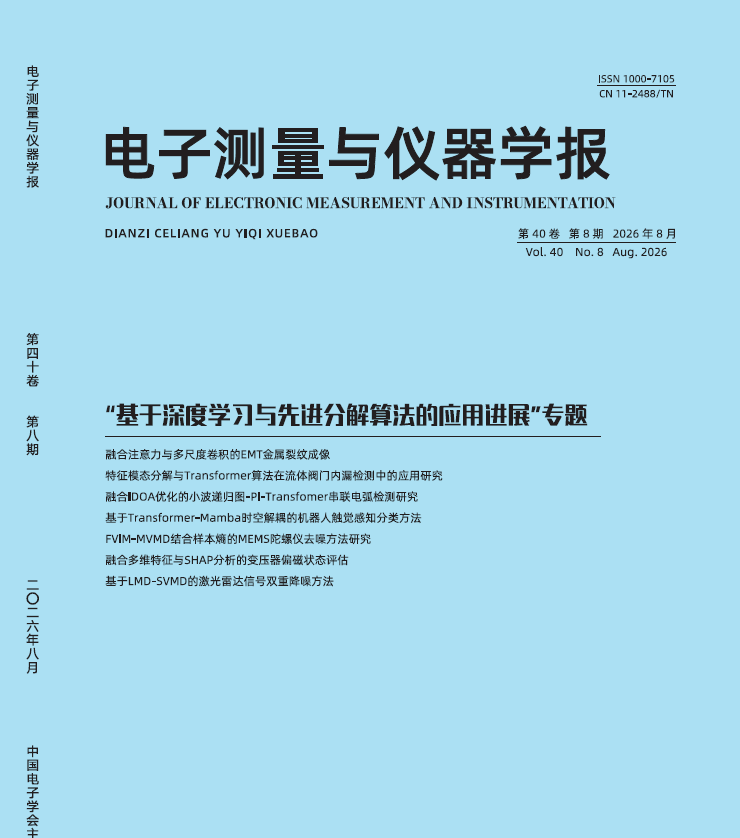
    • GCSS-YOLOv8-based tiny defect detection on coating surfaces

      2026, 40(6):116-125.

      Abstract (8) HTML (0) PDF 6.34 M (1) Comment (0) Favorites

      Abstract:Automatic detection of tiny defects on coating surfaces holds significant importance in manufacturing quality control. Addressing the critical need for quality inspection of coating surfaces on large-scale aircraft panels, this paper proposes a machine vision-based multi-scale defect collaborative detection method, focusing on solving the challenge of synchronously identifying cross-scale defects including millimeter-scale pits, fisheyes, and bubbles as well as centimeter-scale scratches and sags. This paper first systematically analyzed the shortcomings of existing detection methods in terms of synchronous recognition of multi-scale defects and balancing real-time performance with high precision, and conducted research accordingly. The core contributions completed include: constructed a multi-light source collaborative image acquisition platform and established a coating image dataset covering five typical defect types; designed a composite image preprocessing method that integrates nonlinear illumination correction and multi-scale enhancement, effectively addressing brightness gradient anomalies caused by local reflections and sudden brightness changes; and proposed an improved GCSS-YOLOv8 deep learning model to enhance detection performance for defects of different scales. Experimental results show that the proposed method achieves a mean Average Precision (mAP@0.5) of 91.4% on the self-built dataset, which is 1.9% higher than the original YOLOv8 model, verifying its effectiveness and practical value.

    • Research on surface defect detection of steel strip based on UAL-YOLO

      2026, 40(6):126-137.

      Abstract (7) HTML (0) PDF 11.07 M (2) Comment (0) Favorites

      Abstract:Addressing the challenges of large parameter sizes, slow inference speeds, and the difficulty in balancing model lightweighting with detection performance in existing steel surface defect detection models, this paper proposes a UAL-YOLO model based on YOLOv11n. Firstly, a parameter-free unified 3D attention module (UAM) is integrated into the backbone. By deriving 3D weights from second-order statistics, it identifies outlier defect features via linear separability, significantly enhancing the signal-to-noise ratio of semantic information. Secondly, a novel attention-guided fusion (AGF) neck network is designed, which utilizes deep features to generate guiding weights, intelligently and selectively aggregating multi-scale features to improve the efficiency and accuracy of feature fusion. Finally, a lightweight efficient offset-based up sampler (LEO) is developed using content-aware offsets to recover fine textures of slender cracks and minute pits. This approach improves the extraction of low-contrast edges and effectively minimizes the missed detection rate of tiny defects in industrial scenarios. Experimental results demonstrate that compared to the baseline YOLOv11 model, the UAL-YOLO model achieves a 2.1% improvement in mAP@0.5 and a 3.7% increase in recall rate on the NEU-DET dataset, while reducing the number of parameters, computational load, and storage capacity by 26.36%, 15.87%, and 23.64%, respectively. The UAL-YOLO model significantly enhances precision while achieving notable lightweighting, providing a new solution for the deployment of high-precision, low-cost steel defect detection technologies in industrial scenarios.

    • Design and FPGA implementation of a real-time PCIe 2.0 protocol parser

      2026, 40(6):138-149.

      Abstract (10) HTML (0) PDF 2.07 M (2) Comment (0) Favorites

      Abstract:Electronic measurement instruments have a critical demand for real-time protocol analysis of high-speed interconnect buses. They require high-speed processing capabilities for gigahertz-level signal acquisition and full protocol visibility from the physical layer to the transaction layer in protocol analysis to support high-precision diagnostics with nanosecond-level jitter. However, traditional CPU-based software solutions are constrained by operating system scheduling latency and cache jitter, making low-latency processing challenging. Commercial protocol analyzers are costly and lack embedded flexibility. To address these issues, this article leverages the hardware parallelism and real-time advantages of FPGAs, considering the importance of the PCIe 2.0 protocol in measurement systems, and proposes a full-stack real-time analysis architecture. This architecture aims to break the throughput bottleneck of traditional software solutions while avoiding high costs. In the descrambling part, an advanced prediction pipeline design is proposed to achieve efficient descrambling. The system achieves full protocol coverage from the physical layer to the transaction layer through data preprocessing, parallel decoding, advanced prediction pipeline descrambling, and state machine parsing. Specifically, 128-bit parallel preprocessing accomplishes symbol alignment and data down-sampling, 80-bit processing completes 8b/10b parallel decoding and advanced prediction pipeline descrambling, and three types of dedicated state machine parsers are responsible for protocol field extraction and CRC verification. Experimental results on the Kintex UltraScale series FPGA platform show that the system operates stably at 312.5 MHz, supporting real-time analysis of 5 GT/s line-rate data. The processing latency from input data to detection results is 22 clock cycles (approximately 70 ns). The CRC verification achieves a 100% match rate, with resource utilization of only 1.39% LUTs and 0.24% FFs. The results demonstrate that the proposed architecture meets practical application requirements in terms of latency, resource overhead, and functional completeness.

    • Vehicle motion state stratified estimation based on CPO-LSTM

      2026, 40(6):150-158.

      Abstract (6) HTML (0) PDF 6.24 M (1) Comment (0) Favorites

      Abstract:Accurately obtaining the motion state of a vehicle is of great significance for the estimation of vehicle trajectory and position, especially in environments with severe satellite signal occlusion (such as urban canyons, wooded areas, tunnels, etc.). However, existing vehicle motion estimation methods driven by dynamic models rely too much on modeling accuracy and are difficult to achieve accurate estimation under some extreme working conditions. Therefore, in order to accurately obtain vehicle motion state information without relying on the accuracy of dynamic models, this paper proposes a hierarchical vehicle state estimation method based on the crested porcupine optimization long short-term memory network. Firstly, by analyzing the basic physical characteristics of vehicle dynamics, a hierarchical estimation strategy for longitudinal velocity and lateral velocity is designed. Then, a dataset composed of various driving conditions is constructed for training, and during the training process, the crested porcupine optimization algorithm is used to optimize parameters such as learning rate and number of iterations. Finally, virtual simulation tests are conducted to verify the estimation method under multiple working conditions and multiple road surface conditions. The results show that this method effectively improves the estimation accuracy. Compared with model-driven methods, the estimation accuracy of lateral velocity, longitudinal velocity, and yaw rate is improved by 92%, 73%, and 52% respectively, and the overall performance is better than the traditional Kalman filtering algorithm based on dynamic models.

    • Distributed differential time difference of arrival localization for time-division ad hoc networks

      2026, 40(6):159-168.

      Abstract (8) HTML (0) PDF 4.70 M (1) Comment (0) Favorites

      Abstract:To address passive reconnaissance requirements in distributed detection scenarios such as drone swarms, traditional time difference of arrival (TDOA) localization faces two fundamental challenges. Firstly, high bandwidth consumption from cross-node raw signal transmission for correlation calculations. Secondly, clock synchronization constraints that inherently limit positioning accuracy. The TDOA measurements include clock synchronization errors among different receiving nodes, and improving synchronization precision would significantly increase costs. To address these issues, a differential time difference of arrival (DTDOA) localization algorithm is proposed for time-division ad hoc networks. The method first calculates the differential time of arrival from different radiation sources to the local node within each node. Then, observation equations are established across nodes based on the differential time difference of arrival. Finally, the target position is solved using a damped Gauss-Newton iteration method. Experiments demonstrate that the proposed algorithm eliminates clock synchronization errors through a differential observation structure, and its Cram-r-Rao lower bound depends solely on correlation calculation errors. Furthermore, it avoids the process of transmitting raw signals between nodes, significantly reducing network bandwidth overhead.

    • Research on extrinsic calibration of a LDS sensor and a ToF depth camera

      2026, 40(6):169-178.

      Abstract (10) HTML (0) PDF 10.35 M (2) Comment (0) Favorites

      Abstract:In order to obtain high-precision 3D mapping for domestic cleaning robots and address the limitations of traditional planar calibration methods—such as overfitting and low calibration accuracy, an improved extrinsic calibration method based on three-cylinder geometric constraints is proposed. Side-scan data from three fixed congruent cylinders using the two different sensors are obtained at different positions by varying the robot’s poses. For the three elliptical contours generated by the intersection of the LDS sensor, the RANSAC algorithm is employed to extract the center points of these contours and two randomly selected points on each contour. For the 3D point cloud of the cylinder surfaces captured via the ToF depth sensor, the central axes of the three cylinders are fitted using the RANSAC algorithm. Spatial geometric constraints are established using the three center points from the elliptical contours and the distances from the two randomly selected points on each contour to their corresponding cylinder axes, forming a system of nonlinear optimization equations for extrinsic parameter estimation. To enhance solving stability, an improved optimization strategy integrating the Powell algorithm and the quasi-Newton BFGS algorithm is proposed, effectively addressing the dependency on initial parameter values. Simulation experiments are conducted to analyze the impact of initial values and Gaussian noise. The proposed method achieves an average rotation error of 0.37° and an average translation error of 3.2 mm, demonstrating rapid convergence even with significant initial offsets. Finally, real experiments and comparative 3D mapping tests are performed to verify the effectiveness of the algorithm. The results show that the proposed method is insensitive to initial parameter values, offers operational simplicity and high calibration accuracy, and possesses significant value for practical engineering applications.

    • LiDAR-based stair detection and localization for stair-climbing robots

      2026, 40(6):179-188.

      Abstract (7) HTML (0) PDF 6.54 M (2) Comment (0) Favorites

      Abstract:In order to enhance the stair-climbing robot’s capability for rapid detection and precise localization of stairs in indoor environments, a stair detection and localization method based on a rotating 2D LiDAR was proposed. A hardware platform consisting of a servo motor, a 2D LiDAR, a Raspberry Pi upper computer, and a DJI Type A developer board was constructed. On this basis, for various relative positional relationships between the robot and the stairs, a stair detection algorithm based on point cloud region-growing clustering and principal component analysis (PCA) was proposed to extract multi-level step facade features and compute the ascent direction angle of the stairs. This enabled the determination of the angle between the stair ascent direction and the robot’s X-axis in the X-Y plane across multiple scenarios. Using the center point of the first-step facade as a key localization parameter, a PCA-based plane fitting algorithm was employed to obtain critical parameters such as step height (H), length (L), and the coordinates of the first-step facade center point, thereby achieving precise stair localization. A total of 240 experiments were conducted across four types of stair scenarios with varying robot-stair relative positions. The results showed that the absolute deviation in stair ascent direction detection ranged from 0.03° to 2.35°, with an average deviation within 1.5°. Localization experiments in different stair scenarios revealed that the maximum positioning deviation of the first-step facade center point in the robot coordinate system was 0.024 m in the X-direction and 0.062 m in the Y-direction. The experimental results demonstrate that the proposed method achieves high detection accuracy and positioning precision across various stair scenarios, providing reliable perception and localization support for autonomous cross-floor navigation of stair-climbing robots in complex indoor environments.

    • Research on a driving risk assessment method integrating information entropy uncertainty and driving style

      2026, 40(6):189-200.

      Abstract (5) HTML (0) PDF 8.40 M (1) Comment (0) Favorites

      Abstract:Traditional risk assessment methods mostly rely on deterministic indicators, making it hard to dynamically quantify risks from the uncertainty of surrounding vehicle behaviors. To address this limitation, this study proposes a risk assessment approach integrating information entropy-based uncertainty quantification and driving style. Specifically, information entropy quantifies the uncertainty of vehicle motion states, while different driving styles are converted into quantifiable risk values for driving risk evaluation. Firstly, an information entropy-based method assesses the uncertainty of vehicle motion states for real-time risk perception. Secondly, K-means clustering is applied to vehicle speed, jerk, and time headway to identify diverse driving styles. A weighted mechanism is then established to fuse driving style and information entropy for the proposed risk assessment model. Finally, experiments are conducted under congested and highway scenarios. The correlation between evaluated risks and actual vehicle energy consumption is analyzed, and comparisons are made with the artificial potential field method, deterministic risk assessment method, and learning-based risk assessment method. Results show that the proposed method reliably detects risks in various events. In terms of response time, it is reduced by an average of 50.55%, 86.35%, and 81.85% compared with the other three methods, respectively. Meanwhile, its computation time is significantly lower than that of the artificial potential field method and the learning-based risk method, demonstrating the effectiveness and application value of the proposed method in driving risk assessment.

    • Intermittent fault prognosis under imperfect maintenance and degradation coupling

      2026, 40(6):201-210.

      Abstract (6) HTML (0) PDF 3.31 M (1) Comment (0) Favorites

      Abstract:In order to solve the problem that existing degradation models for nonlinear electromechanical systems under intermittent faults fail to simultaneously consider the effects of imperfect maintenance and degradation coupling, which leads to a decline in prediction accuracy, a remaining useful life prediction method based on intermittently composite degradation model is proposed for nonlinear electromechanical system with intermittent faults. Firstly, the bond graph model of the nonlinear electromechanical system is established for fault detection and isolation, and an augmented water flow optimizer algorithm is developed for intermittent fault estimation. Secondly, a hybrid intermittent fault feature is extracted based on the tumbling window to comprehensively describe the intermittent fault trend. The intermittently composite degradation model is proposed to predict the remaining useful life of faulty component in the situation where the imperfect maintenance and degradation coupling effect exist simultaneously. The model divides the degradation process of the faulty components into internal and external degradation, and describes the effects of degradation coupling and imperfect maintenance through coupling factors and a geometric reduction of intensity model. Experimental results show that the proposed method achieves cumulative relative accuracy of 97.53% and 96.80% in predicting the remaining useful life of multiple intermittent faults, which is superior to the particle swarm optimization algorithm and the water flow optimization algorithm. Additionally, in comparison with degradation models considering only degradation coupling effects and only imperfect maintenance effects, the proposed method demonstrates significant improvement in prediction accuracy.

    • Automatic mobile manipulator tracking of V-groove seams on large-scale components

      2026, 40(6):211-221.

      Abstract (5) HTML (0) PDF 14.29 M (1) Comment (0) Favorites

      Abstract:Large-scale components in aerospace and shipbuilding industries often feature extensive V-groove seams requiring filling processes such as welding or glue dispensing. To achieve precise identification and tracking of groove seam features on large-scale components, a multi-station segmented automatic tracking method based on a mobile manipulator is proposed. This approach involves sequentially capturing multi-frame point cloud images of the V-groove seam along its trajectory. A local 3D point cloud model of the component is then generated by stitching the point cloud data using a registration algorithm combining key feature points (ISS) and the point-to-plane iterative closest point (ICP) algorithm. Subsequently, a novel surface variation feature descriptor (SVFD) is proposed to characterize surface concavity and convexity, enabling the identification of the V-groove point cloud set. Groove seam feature points are then accurately acquired based on symmetry constraints and distance constraints. A uniform and discrete seam path is generated by fitting these feature points with NURBS curves and performing equal-arc-length interpolation. To meet process requirements, the tool end-effector orientation (e.g., glue gun pose) at each path point is further planned. Finally, considering both the manipulator’s manipulability and the mobile platform’s pose constraints, the desired path for the mobile platform is planned using an equidistant offset strategy. A hardware experimental platform was established, and glue dispensing experiments were conducted on four distinct types of V-groove seam features. Experimental results demonstrate that the average groove seam trajectory extraction error does not exceed 0.857 mm, and the average mobile platform path tracking error is within 8.577 mm, confirming the method’s capability for precise extraction and tracking of large component seams. This technique is applicable not only to welding and glue dispensing but also to tracking analogous structural features on other large-scale components.

    • High-precision portable scanning tunneling microscope: Design and implementation

      2026, 40(6):222-231.

      Abstract (11) HTML (0) PDF 8.92 M (2) Comment (0) Favorites

      Abstract:Since its invention, the scanning tunneling microscope (STM) has played a pivotal role in surface science and nanotechnology due to its exceptional atomic-resolution imaging capability. In recent years, although high-end STMs have enabled breakthroughs under extreme conditions, their high cost and operational complexity hinder widespread adoption in education and routine inspection. This paper presents a compact, cost-effective, and high-performance portable STM system developed entirely in-house. The system comprises a piezoelectric scanner, coarse approach stepper motor, low-noise signal detection circuit, STM32H7-based control unit, and a Qt-based user interface, all built from the ground up. A modular microscope body integrates a passive vibration isolation system, and the mechanical decoupling of the scanner and motor enhances imaging stability. Experimental results demonstrate high signal precision, with controller voltage resolution better than 0.6 mV. The stepper motor operates reliably, with a no-load starting voltage of 17 V (down) to 24 V (up) and step sizes ranging from 0.33 μm (17 V) to 2.01 μm (80 V). The custom-developed scanner initiates movement at 20 V (down) to 29 V (up), with step sizes from 0.21 μm (17 V) to 1.26 μm (80 V). The scanner structure is compact and rigid, with measured thermal drift rates of 31.5 pm/min (X-Y) and 42.3 pm/min (Z) on a ground-floor lab, and 44.8 pm/min (X-Y) and 56.2 pm/min (Z) on a third-floor desktop, reflecting excellent structural and electronic stability. Ultimately, the system achieves atomic-resolution imaging under ambient conditions, with high imaging consistency and control precision, making it suitable for scientific research, teaching, and industrial surface characterization.

    • Tool wear identification method based on Mel-frequency cepstral coefficients and joint distribution alignment

      2026, 40(6):232-244.

      Abstract (6) HTML (0) PDF 18.15 M (1) Comment (0) Favorites

      Abstract:Aiming at the problem of insufficient recognition accuracy of traditional tool wear monitoring methods under multi-physics coupling conditions and complex working conditions, this paper proposes a cross-working-condition tool wear identification method based on Mel-frequency cepstral coefficients (MFCC) and joint distribution alignment (JDA), designed to address the challenge of weak tool wear monitoring capability across varying operational conditions. First, spindle vibration signals are collected, and MFCC is employed to extract features from these vibration signals, compressing high-frequency information while preserving critical mid-to-low frequency characteristics. Second, a transfer learning model based on joint distribution alignment is constructed, which integrates source domain labeled data with target domain unlabeled data for joint training, thereby achieving knowledge transfer of tool wear patterns across different working conditions. This model aligns output distributions through cross-entropy loss, aligns feature distributions using maximum mean discrepancy (MMD) loss, and incorporates a self-training pseudo-label generation mechanism to optimize the utilization efficiency of target domain data. On the NASA milling dataset, the proposed method achieves a recognition accuracy of 93.33% in cross-working-condition scenarios involving variations in feed rate, cutting depth, and spindle speed, significantly outperforming traditional methods based on Fourier transform and wavelet transform. When applied to the CTB milling test, the model achieved a recognition accuracy of 93.25%. The proposed method effectively resolves the challenge of tool wear state recognition under cross-working-condition environments, providing reliable technical support for tool condition monitoring in industrial applications, and possesses significant engineering application value.

    • Monitoring method for spatiotemporal evolution trend of coal sample damage based on electromagnetic vector space features

      2026, 40(6):245-261.

      Abstract (9) HTML (0) PDF 15.11 M (2) Comment (0) Favorites

      Abstract:The occurrence of coal-rock dynamic disasters is closely related to the damage state of coal. To achieve real-time monitoring of the crack development trend within coal underload, a localization model for internal fractures based on an equivalent electromagnetic radiation source is constructed. This study explores a monitoring method for fracture development in loaded coal and its corresponding solution algorithm. Additionally, a uniaxial loading experiment is conducted to analyze the effects of coal sample origin and loading rate on the proposed monitoring method, thereby verifying its general applicability. The results indicate that the electromagnetic radiation (EMR) generated by loaded coal originates from both electric-type and magnetic-type sources. The combined effects of these sources contribute to EMR emission during the expansion and closure of internal cracks in the coal. The constructed equivalent EMR source model for charged fractures can be utilized for monitoring coal damage. By employing a triaxial fluxgate sensor, an EMR monitoring array for loaded coal samples can be established. The non-coplanar arrangement of the sensors proves more effective than the coplanar configuration in mitigating error amplification effects. The BFGS-integrated pathfinding strategy (BIPDS) enhances the accuracy of solving typical multimodal functions by more than tenfold compared to traditional algorithms, while reducing the standard deviation by approximately 99%, thereby providing algorithmic support for the proposed radiation source localization model based on vertical distance error. The fracture monitoring model determines a through-crack inclination angle of 78°, with its spatial position closely matching the actual crack distribution. Under different experimental conditions, the variation trends of the synthesized EMR vector intensity remain consistent, indicating that coal sample origin and loading rate do not affect the monitoring performance. The method demonstrates reliable monitoring effectiveness and general applicability. These findings contribute to understanding the damage evolution mechanism of loaded coal and provide technical support for advancing research on the prevention and control of coal-rock dynamic disasters.

    • Automatic calibration method for test points of airborne electronic warfare equipment based on aircraft fuselage point cloud features

      2026, 40(6):262-270.

      Abstract (9) HTML (0) PDF 5.81 M (3) Comment (0) Favorites

      Abstract:In field in-situ testing of airborne electronic countermeasure equipment, the positioning process of test points suffers from low efficiency and high time consumption. This paper proposes an automatic test point positioning method based on airframe point cloud features. Using the aircraft landing gear as a key reference, this method requires only a one-time acquisition of the test point’s position in the airframe coordinate system, which can then be combined with LiDAR point cloud data to achieve automatic test point positioning at any location. This process involves key steps such as point cloud mapping and cropping, coordinate transformation between the airframe and the LiDAR, and transformation matrix solving. The paper conducts measurement experiments on actual aircraft equipment in an outdoor environment. The results show that the absolute error between the measured positions and the actual values is less than 10 cm, with a relative error not exceeding 1%, demonstrating high reliability and feasibility. This advancement can promote the development of equipment testing technology toward unmanned and intelligent operations.

    • Current stress optimization strategy for hybrid three-level DAB converter based on the improved snake swarm algorithm

      2026, 40(6):271-282.

      Abstract (5) HTML (0) PDF 10.76 M (1) Comment (0) Favorites

      Abstract:To address the challenges of current stress optimization and efficiency improvement in diode-clamped hybrid three-level dual active bridge converters, this study proposes a dual-phase-shifting control scheme based on minimum current stress optimization. The improved snake swarm optimization algorithm is employed to search for optimal phase-shifting combinations that minimize current stress. First, to overcome the snake swarm algorithm’s susceptibility to local optima and high parameter sensitivity, the Northern Condor Algorithm’s predation mechanism is introduced to enhance global search capability and reduce parameter sensitivity, thereby improving convergence stability and search accuracy for optimal phase-shifting combinations. Additionally, constraint conditions based on current stress, power, and voltage deviations are incorporated into the penalty function to further narrow the search range. Experimental validation through simulation platforms demonstrates that the proposed control method reduces current stress by 24% at low power levels and 13% at high power levels compared to the Lagrange multiplier method. These results confirm the effectiveness of the improved strategy in minimizing current stress, validating the feasibility of the proposed control approach, and enhancing energy transfer characteristics.

    • Measurement performance prediction method for flowmeters based on spatio-temporal sequence model

      2026, 40(6):283-289.

      Abstract (8) HTML (0) PDF 3.73 M (1) Comment (0) Favorites

      Abstract:To the problems of low computational efficiency, strong grid dependence, and insufficient real-time performance in the traditional computational fluid dynamics (CFD) method for flowmeter performance analysis, deep learning technology was introduced to construct a flowmeter performance prediction method based on a spatiotemporal sequence model PredRNN_V2. In the task of predicting the internal flow field of a unilateral Venturi flowmeter, the iterative flow field evolution during the steady-state CFD solution process was modeled as a spatiotemporal sequence prediction problem, and a complete process from data acquisition, preprocessing to model training and evaluation was constructed. ConvLSTM, PredRNN, and PredRNN_V2 were selected for comparison, and mean squared error (MSE), structural similarity index (SSIM), learned perceptual image patch similarity (LPIPS), and peak signal-to-noise ratio (PSNR) were used as evaluation indicators to quantitatively assess the prediction performance. The results showed that the MSE output by the PredRNN_V2 model increased the most slowly, with an average PSNR of 36.8, significantly higher than PredRNN and ConvLSTM. The average SSIM of PredRNN_V2 was 0.92, and the LPIPS was 0.069, indicating that its prediction results had lower noise and clearer cloud boundary, and its prediction accuracy was significantly superior to the other two models while maintaining a high computational efficiency. The relative error between the prediction results of the PredRNN_V2 model and the simulation results was within ±5%, indicating the reliability and accuracy of the model in predicting the flow field.

    • Research on automatic tester for charged and discharged devices based on binocular recognition

      2026, 40(6):290-298.

      Abstract (10) HTML (0) PDF 9.79 M (2) Comment (0) Favorites

      Abstract:A binocular vision based probe package pad rapid alignment technique is proposed to address the challenge of rapid positioning between probes and chip packaging pad in electrostatic discharge (ESD) testing of charged device models (CDM). Firstly, a set of image datasets for chip packaging is constructed, and a lightweight L-YOLOv8n algorithm is used to train the model as the front-end recognition of the chip under test. Then, the sub-pixel segmentation and positioning of the pad are completed through the image processing module, and the three-dimensional coordinate information of the pad is accurately obtained based on visual difference and stereo matching. Finally, the information is sent to the main control board of the CDM ESD testing system to control the stepper motor and achieve fast and accurate alignment between the probe and pad. The experimental results show that the system has an mean average precision (mAP) of over 99% for various packaged chips such as BGA and SOP under small sample training conditions, and achieves complete recognition of pad and accurate extraction of three-dimensional coordinates. The positioning accuracy in the horizontal two-dimensional direction reaches 0.01 mm, and the depth direction accuracy is 0.1 mm. At the same time, the system has significant advantages in low cost and strong environmental adaptability, without the need for manual alignment of probes with pad for testing. The rapid and accurate alignment of probe pad can be completed with only camera equipment and motion control modules, which is easy to deploy and suitable for CDM testing in multiple scenarios and various chip packaging types.

    • Frequency estimation of complex-valued signal based on multi-scale residual network

      2026, 40(6):299-307.

      Abstract (6) HTML (0) PDF 10.09 M (0) Comment (0) Favorites

      Abstract:Frequency estimation is a key technology in the field of measurement instrumentation. Traditional periodogram and multiple signal classification (MUSIC) algorithms suffer from severe performance degradation under low signal-to-noise ratio environments, failing to meet the precision requirements of instrumentation measurements. This paper proposes a frequency estimation method based on multi-scale residual networks (MultiFR). First, parallel 3×1 and 5×1 convolutional kernels extract features at different scales, enhancing the ability to capture both local details and global patterns. Then, residual connections mechanisms are introduced to overcome the gradient vanishing problem in deep networks, ensuring effective feature propagation. The L2 norm squared loss function is adopted to achieve precise measurement of the deviation between the network output spectrum and the ideal spectrum. Finally, a dynamic SNR training strategy is utilized to improve the model’s adaptability under different noise levels, and a high-resolution frequency representation output module is implemented to achieve accurate frequency peak localization. Experimental results demonstrate that the proposed method achieves improved frequency resolution capability. Under extremely low SNR conditions of 0, MultiFR achieves a miss detection rate of 22.2% and a Chamfer distance of 0.145, representing relative improvements of 4.1% and 5.8% respectively compared to the DeepFreq method, and outperforming mainstream methods such as PSnet, MUSIC, and periodogram. Validation with Coriolis flowmeter signals confirms the feasibility, effectiveness, and robustness of the proposed method under low SNR conditions.

    • Life-time powered maintenance-free mechanical clock for examination rooms and its time synchronisation device implementation

      2026, 40(6):308-322.

      Abstract (12) HTML (0) PDF 10.17 M (0) Comment (0) Favorites

      Abstract:In standardized examination-rooms, candidates are prohibited from using personal timekeeping devices, while wall-mounted BPC time-code radio-controlled clocks (RCCs) in complex buildings often suffer from reception blind spots, unstable synchronization, and frequent battery replacement. To address this, a unified time-keeping scheme combining a “life-time powered mechanical RCC” with a “local BPC miniature transmitter” is proposed. On the terminal side, the WBC-E16A exam clock retains its original appearance, but its two AA cells are upgraded to a 2S4P low-self-discharge AA pack, and an mWh-level energy model is derived from constant-resistance discharge tests and in-situ power measurements. On the infrastructure side, a≤1.5 W USB 5 V transmitter is developed that acquires UTC from multiple NTP servers over campus WiFi and rebroadcasts the standard BPC code inside classrooms. Tests with ten clocks in a fully enclosed underground space show that, in BPC reception blind spots, all terminals automatically complete their first synchronization within 2~10 minutes. In a four-week field trial with thirty clocks in a teaching building, the automatic synchronization success rate increases from about 70% to 100% after enabling the local transmitter. Discharge and consumption measurements indicate that Nanfu IoT AA cells provide about 34.9 Wh of usable energy above 2.2 V; combined with a daily consumption of 14.8~16.5 mWh and a 1%~2% self-discharge rate, a single 2S4P pack can support at least five years of operation without battery replacement. The scheme has been deployed in about 7 848 terminals across 22 provincial-level regions, and the proposed Life-Time RCC plus local BPC blind-spot compensation enables long-term, second-level synchronization of mechanical wall clocks while greatly reducing maintenance and inspection workload and significantly enhancing the robustness of examination-room timekeeping.

Editor in chief:Prof. Peng Xiyuan

Edited and Published by:Journal of Electronic Measurement and Instrumentation

International standard number:ISSN 1000-7105

Unified domestic issue:CN 11-2488/TN

Domestic postal code:80-403

  • Most Read
  • Most Cited
  • Most Downloaded
Press search
Search term
From To